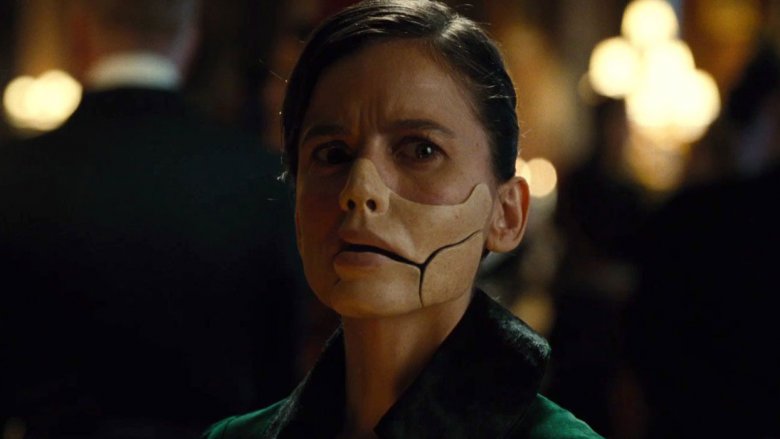
World War II was a dramatic sort of war in the sense that eighty years later our art and entertainment is still trying to make sense of it. Its older sibling, World War I, on the other hand, is talked about much less—in my experience, usually limited to a few mentions around Veteran’s Day in November or in the periphery when talking about the flu epidemic of 1918. When talking about the origins of the term “shellshocked.” Or when in a group of hardcore fans of Anne of Green Gables or the Wonder Woman movie.
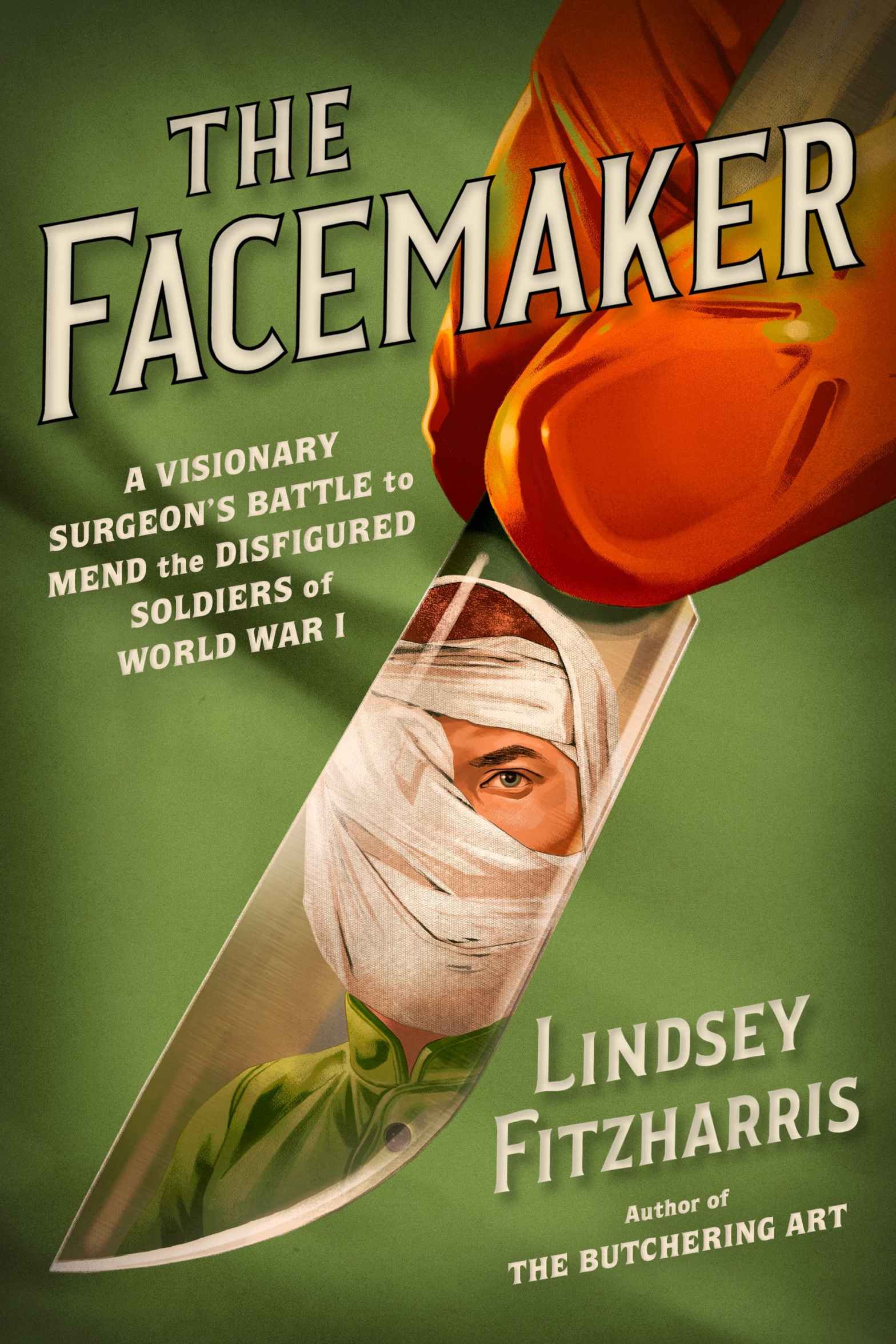
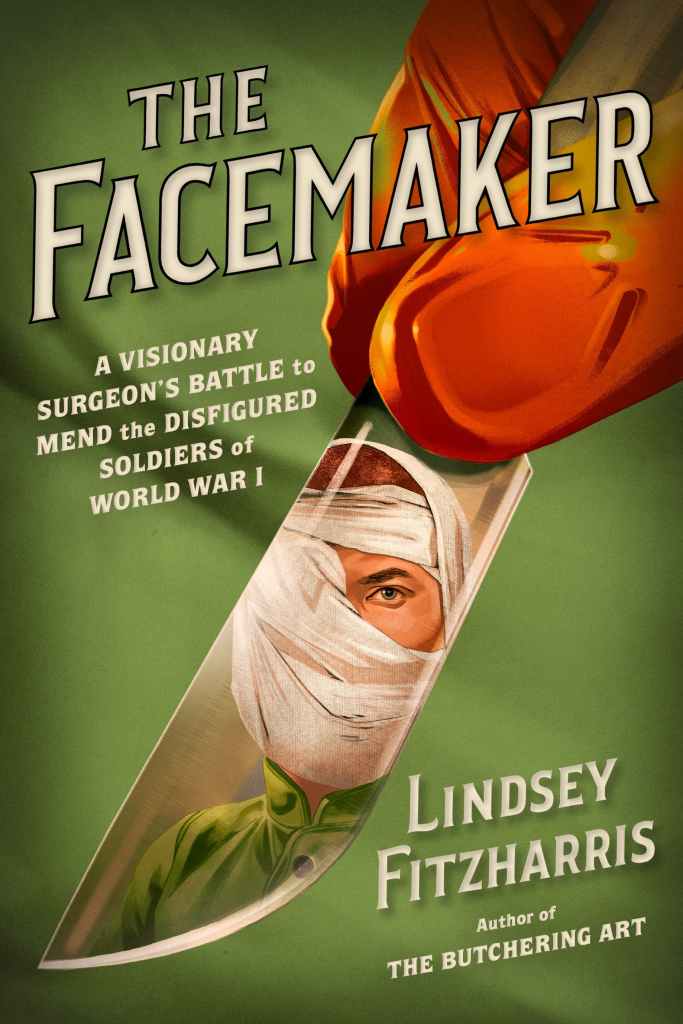
But in The Facemaker: A Visionary Surgeon’s Battle to Mend the Disfigured Soldiers of World War I, author Lindsey Fitzharris paints a bloody picture of the “Great War,” and why so many of its soldiers came home fractured from what happened on those front lines—if they came home at all. But she also tells a riveting story about the ones trying to fix the broken in body and mind, and how those efforts formed the practice of modern plastic surgery.
Almost as soon as the shells start flying, soldiers on are wounded in previously unimaginable ways. Not just fatalities or blown-off limbs, but horrific burns, or exploding shells that take out huge chunks of a person’s face. (Also in part because for the first couple of years of the war, they weren’t wearing helmets, which seems like an oversight.) While medicine had advanced enough to save these soldiers’ lives, their quality of life and any hope of returning to anything resembling normal was gone.
Enter the nimble hands of a few skilled professionals breaking ground on reconstructive care. Chief among them, and the primary focus of the book, is Harold Gilles, who worked with dentists, surgeons, and artists to develop medical techniques every bit as inventive as the new munitions that created a steady stream of patients in need of his care. Seemingly immune to the sight of blown-off jaws or noses or stomach-turning burns, Gilles not only went to great lengths to heal the most desperate cases before him, but cultivated a cheery and comforting atmosphere for the wounded, as well.
A synopsis like that makes the book seem wholesome and heroic, which it is. Those warm and happy feelings, though, are necessary for the horror that surrounds them. There were plenty of stomach-churning scenes in Fitzharris’s previous book, The Butchering Art, about the advent of using antiseptic in surgery. Somehow, though, the accidental and ignorant nature of those cases made them seem—well, not kind, but not malicious. The kinds of damage taken by the patience in The Facemaker, on the other hand, are examples of what happens when technology and progress outstrip humanity. Gilles, then, and the others very earnestly engaged in the work of healing—on both sides of the war—are returning a little of that humanity as best as medical advancements will let them.
Today, plastic surgery is often used interchangeably with “cosmetic surgery,” and while that aspect has been present from the beginning, The Facemaker is strong validation of the practice’s reconstructive roots. Centuries of people fighting each other with sharp blades necessitated earlier ways of addressing facial injuries in societies around the world, but Gilles and his contemporaries often have to invent whole new approaches to replacing skin, bone, teeth, cartilage, and more. Everyone involved in this multidisciplinary approach is at the top of their game, and they have to be. Missing limbs, Fitzharris notes, are familiar wounds for soldiers to bear, but the number and severity of facial injuries impact not only their functionality but their ability to feel return to society without frightening those around them. Gilles sees the importance of both form and function, and works to address both.
(A note on Fitzharris’s descriptions and verbiage around soldiers with facial wounds. Writing about disability and disfigurement can be a minefield for those writing from the outside. Among Fitzharris’s acknowledgements is a thanks to a disability activist for input on how to handle this potentially tricky subject matter. I’m no expert, but the wording here feels careful and considerate.)
Not all of Gilles’ efforts are successful, though the (frequently gruesome) pictures of patients at different stages of injury and recovery are only of those who survived. Fitzharris again toes a line in her descriptions between illustrative and gory, but her well-sourced writing is also engaging enough that learning about tubed pedicles and cartilage harvesting is captivating, and not just like not being able to look away from a car wreck. Reading The Facemaker also feels like an act of witnessing something that shouldn’t have ever been forgotten. We did this to ourselves, from the standpoint of humanity, and over a hundred years later, we haven’t stopped.
 Ring Reads