This time of year has always been hot, but it’s also true that it’s getting hotter—in my neck of the woods, we’ve ranked fifth this year in the number of hundred-degree days. There’s still time to rack up a few more and beat the current record-holder, 2022. Globally, this has been the hottest year ever, and, frankly, this is just the start of things, isn’t it?
That’s the grim, but not entirely hopeless, present and future Jeff Goodell both describes and explains in The Heat Will Kill You First: Life and Death on a Scorched Planet.
The increasingly hotter and wilder weather might be the most obvious sign of the planet’s trek out of what Goodell refers to as “the Goldilocks zone” of temperate weather, the danger and damage doesn’t stop there. Spring coming earlier and fall starting later throws off the cycles of crops and the creatures in that ecosystem, and milder winters mean pests like mosquitos and bark beetles aren’t killed off like they ought to be. Warming oceans kill sea life but also changes currents and tides, affecting and worsening weather. Our Goldilocks zone, he writes, is a delicate series of interlocking cycles, and what affects one has repercussions for others.
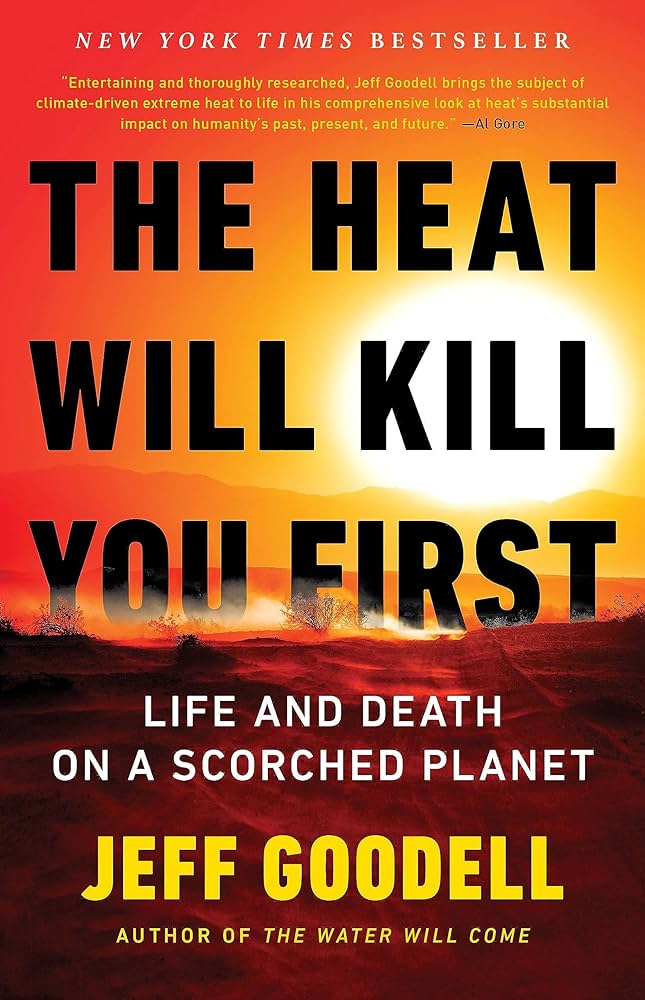
Yes, yes, yes, a podcast saying just this pops up in my feed in any given week, too. The value in Heat is not in its detailing of the danger of climate change, but in the context it provides for how we have worked with or against heat as weather and concept throughout modern and human history. From Lucy the early hominid to the advent of air conditioners, heat has provoked humanity to innovation. Other products of our collective creative efforts, unfortunately, have brought about more heat. Now, the air conditioners that were once a luxury for making summers more pleasant are necessary in more and more places in the world as a thin line of defense between residents and heat stroke—though they are distressingly scarce in areas of the world seeing the greatest increase in temperatures.
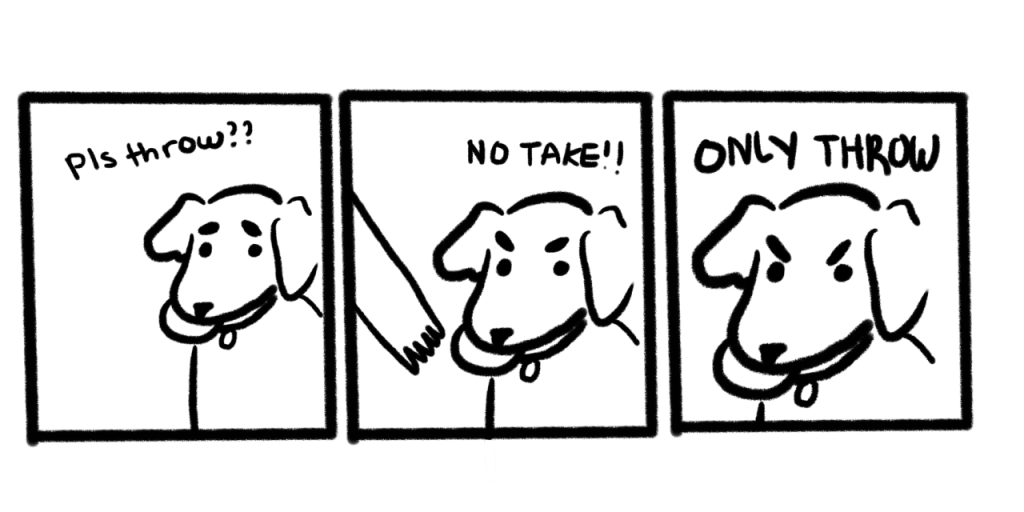
While we peons can only do so much to stem climate change or reverse global warming, Heat also delves into some of the ways different places are coping with the changes that are here or coming, and the resistance they bring. It’s also distressingly clear about the dangers of heat to people doing vital work, such as construction and harvest. The “no take, only throw” meme, admittedly top of mind for many facets of my life, was relevant many times during these sections. Very sorry you think light-colored pavement will mar the vibe of your city, Paris; would you rather roast alive? Are you, various taskmasters, upset about your workers being “lazy,” or trying to survive in dangerous conditions?
There’s only the thinnest of silver linings in Heat, though with this subject, I’ll take any good news. Heat is certainly not a roadmap, but neither is it an indictment (at least, not for the average reader). Rather, it’s food for thought about changes that will not only affect all of us in some way, but in myriad and sometimes presently unimaginable ways. It’s something I’ll be mentally chewing on long after the weather cools—assuming it cools at all.
 Ring Reads