A few years ago, I read a real spine-tingler—in The Atlantic: a piece about the invisibility of women past their so-called prime. Wading into my thirties had been bad enough, leaving behind the fresh possibilities of my twenties with no hope of less stress in return. With each year that passes, it’s hard not to worry at least a little about descending into invisibility and irrelevance.
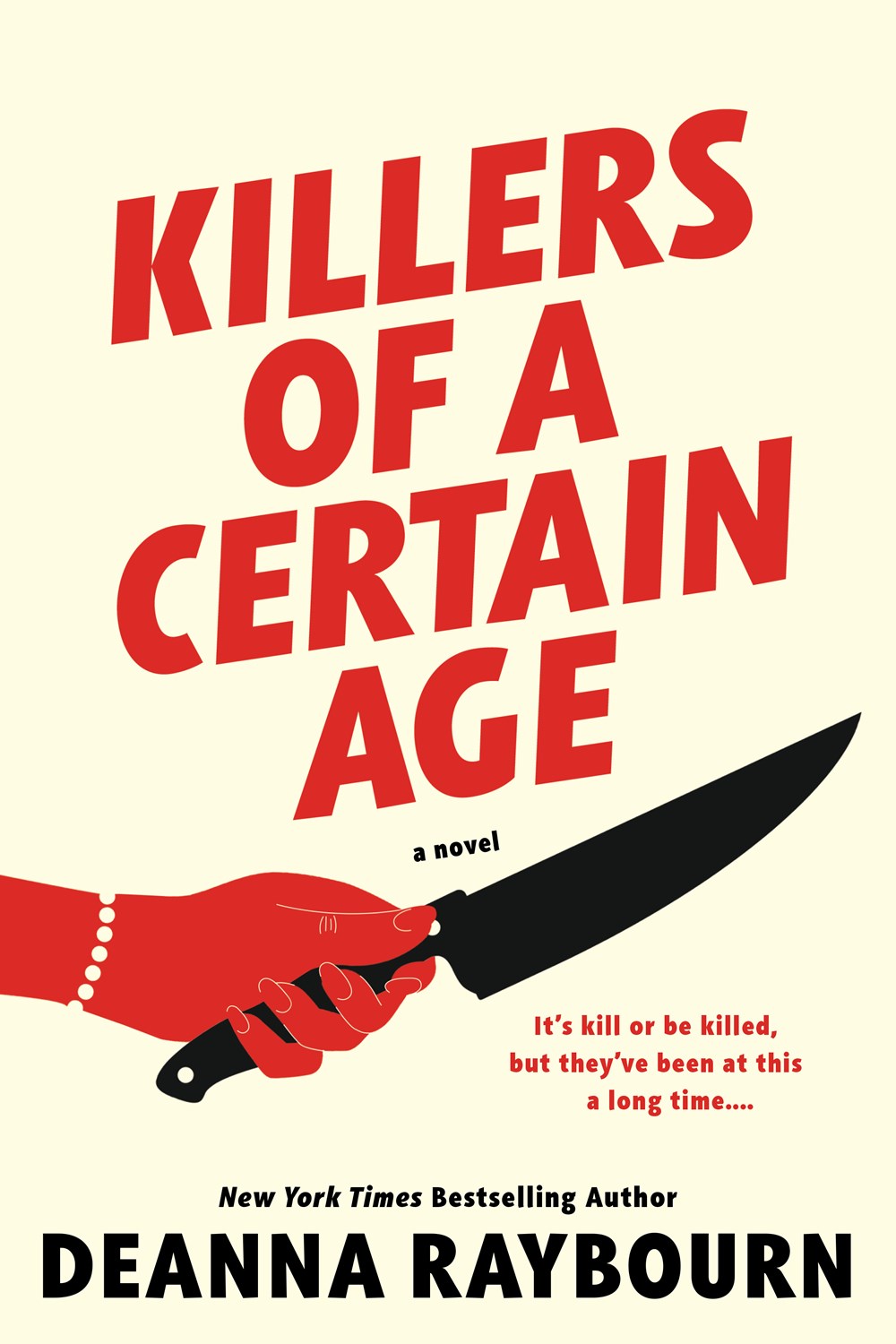
That terrifying phenomenon is at the heart of Deanna Reybourn’s delightful and gripping novel, Killers of a Certain Age, in which four principled assassins approaching retirement find themselves on the run from their own colleagues instead.
Billie, Nicole, Mary Alice, and Helen met as new recruits in an all-female assassin team for The Museum, a shadowy organization originally formed to hunt and kill the Nazis who evaded justice in the typical sense. With Nazis increasingly thin on the ground in the 1970s and 80s, The Museum branches out to warlords, sex traffickers, election meddlers, and others who make a buck off of the suffering of others. Although the four women come from very different backgrounds, they have forged the kind of bond that can only be created by trusting others with your life for forty years. The Museum has offered them a retirement present of an all-expenses paid Carribean cruise, and the women meet for a bittersweet farewell from the life that has challenged and driven them for so long.
But a good assassin is hard to catch off-guard and the women are good assassins, so when they discover a plot to blow the ship to smithereens—courtesy of The Museum’s own tech—they move fast to mitigate the blast and then vanish as best as they can while they figure out their next steps. Only the three Directors voting unanimously can authorize a hit on The Museum’s own. Together, the four women have to figure out why the hit was put out on them and how to stop it while using all their old tricks to keep from getting taken out by their own colleagues.

The biggest surprise about Killers of a Certain Age is how heartening it is. Each of the women was brought into the organization in large part because of her principles, and those principles have, if anything, only hardened over the years. It’s nice to see idealism rewarded in some small way in fiction; at one point, Billie answers a question about whether the work has gotten to her by saying she can sleep at night, despite all the killings she has done, because she knows that bloodshed has made the world a little safer. Whether Raybourn keeps her characters’ hands a little too clean, metaphorically speaking, is a matter of opinion, but I found it refreshing. I also enjoyed seeing the bonds of female friendship, especially considering all the factors that could have gotten in the way over the years, and the low-hanging fruit that kind of drama would be for some writers.
As a book about older women, the expected jokes about hot flashes, flabbiness, and other joys of getting older—one plot point revolves around an app for tracking menopause symptoms—are present, but Raybourn reins them in so they seem maybe slightly more inflated than real life but not gratuitous. The women are not bumbling, nor are they unprepared; they are professionals who may not be at the top of their game any longer, but haven’t fallen down the slope that far, either, and anything can turn into a weapon in their skilled hands. Even the invisibility of older women is something Raybourn uses as a weapon for our, ah, experienced heroines. They are overlooked and they are vastly underestimated, and although this is perhaps emotionally hurtful, it may be the greatest weapon they have against the enemy.
Killers of a Certain Age is a book about aging and killers and betrayal, but its heart is oddly wholesome and comforting. While I wouldn’t call this a cozy read, it’s one that makes me look at the people around me a little more positively—and at the objects around my house as so many potential murder weapons. This book might not reverse public opinion on the irrelevancy of older women, but it makes me a little less afraid for that inevitability.
 Ring Reads