
Here in the U.S., the first of October means the first official day of spooky season, which some of us have been celebrating for weeks already. But for the residents of a tiny, Scottish island still reeling from World War II in Emma Seckel’s A Wild Hunt, October brings the spirits of the local dead in the form of crows—and the havoc they can bring if they’re restless. It’s a different take on the matrix of autumn and spirits and creepy spirits of Halloween, but with all of the tricks and none of the treats.
Leigh Welles has come back to the little island after four years of trying, and failing, to make it on the mainland. Much worse than her shame is the reason for her eventual, surrendering, homecoming: the accidental death of her father. His death is the latest blow that started with her mother’s abrupt abandonment twelve years before, and has continued with her brother’s frosty treatment since his return from the war. The war has affected the rest of the island, too. Virtually everyone left has lost someone, or several someones. Those who have come back are irrevocably changed, such as Iain MacTavish, who lives with the ghostly memory of his wife and best friend, both killed in the war.
October brings the arrival of the sluagh (slew-ah, for us non-Gaelic speakers), crows that appear in threes and are said to carry away the souls of the dead during the month. But the sluagh can also bring destruction, and the town dons boarded-up windows and iron talismans are supposed for protection. When a young man attacks a sluagh—and subsequently disappears—the birds and residents alike grow more restless. Leigh and Iain find unexpected allies in each other as search efforts for the missing man peter out. Just as their acquaintanceship deepens into friendship, so does the boldness of the sluagh. As the month’s end approaches, it becomes less certain there will still be a town to call home come November 1.
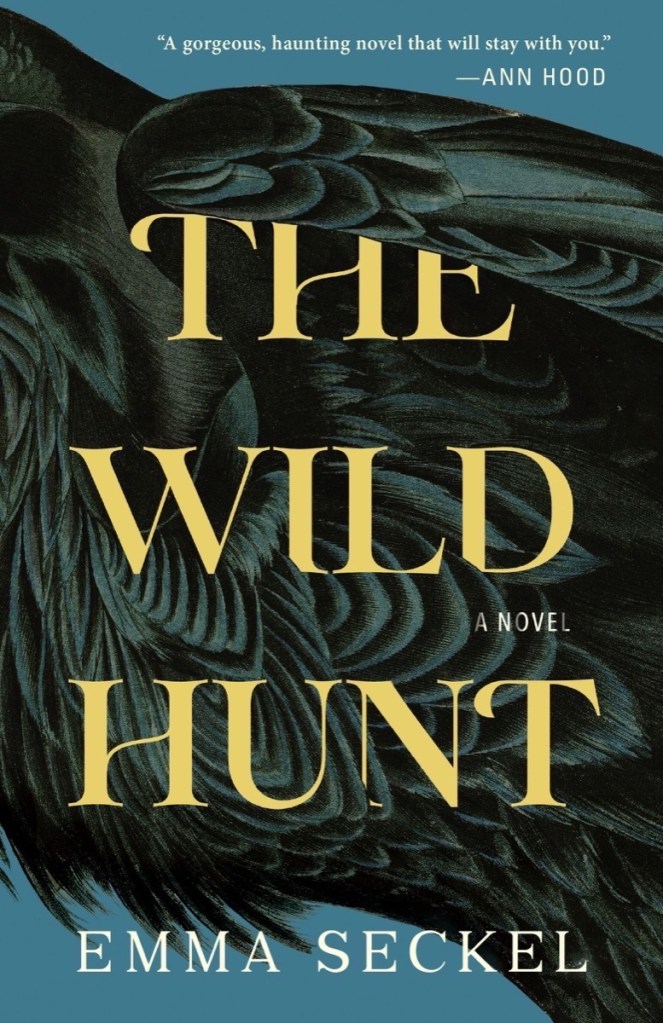
I don’t know if it was the time or place that I tried to read A Wild Hunt, but I started it three times before it stuck. Starting it on audiobook finally did the trick, but once that happened, I was immersed in the gloomy island life that surrounds Leigh and Iain. Sadness, grief, and trauma envelope the people and the place like fog. There’s the aftershocks of the war, but also from the bone-rattling changes that have come as a result. The timeless quality of life on the island has been shattered irreparably, and residents struggle to move on. Hurt begats hurt, and it’s tough to move on when everything seems to be in a swift decline.
Whether this is a subtle and intentional parallel on Seckel’s part, or a natural narrative development, it’s well done and thought provoking. Subtlety, too, helps keep the characters grounded without being caricatures of grief. From brooding Leigh to her handsy neighbor and even her mostly offscreen brother, virtually everyone feels like a person who has worn the last few years as well as possible. Near the end, that subtlety falters, but so does realism, and Seckel can be forgiven some theatrics.
If you’re just looking for an atmospheric autumn read, A Wild Hunt delivers on that front, too. You don’t have to learn or feel anything to delight in the murder of creepy crows, the not-quite-right character returned from the dead, or the definitely-extremely-haunted house in the heather. That said, I doubt any of it will give you nightmares. It may, however, haunt you in more metaphorical ways.
 Ring Reads