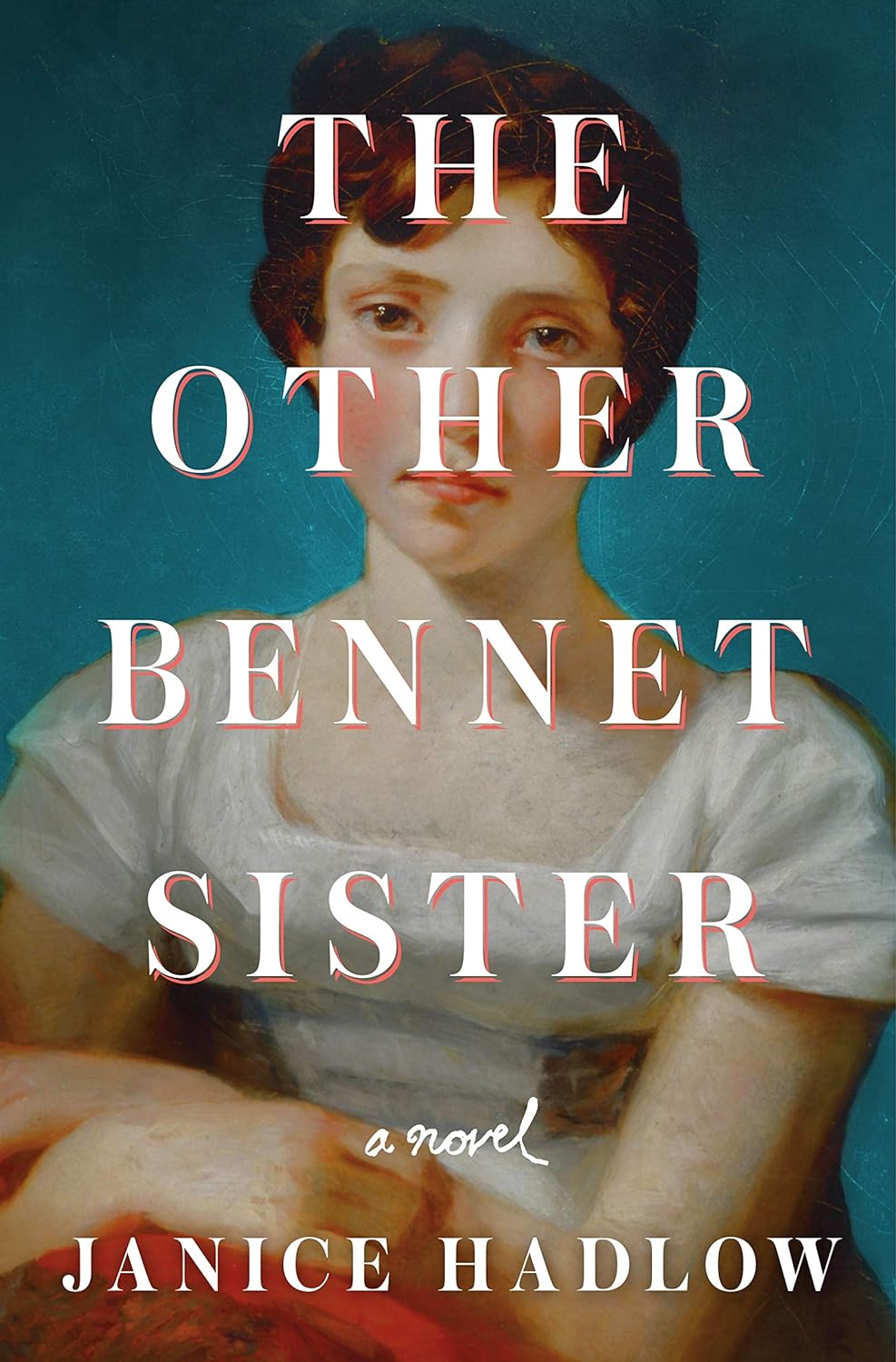
It is a truth, universally acknowledged, that a literary classic as well-known and -liked as Jane Austen’s Pride and Prejudice will inspire countless derivative works through the ages. Many vary in quality; few bring something new to the conversation; all are going to be controversial with some section of the Austen fandom. But for this dainty reader of fiction, Janice Hadlow’s The Other Bennet Sister is a work above most.
The Other Bennet Sister follows the ultimate middle sibling, Mary Bennet, during and in the wake of events from Pride and Prejudice. While Elizabeth and Jane are falling in love, and Lydia is disgracing them all, Mary is trying to be noticed by her father, by a cute merchant’s son, by the family’s scholarly (and ridiculous) cousin Mr. Collins—and failing on all accounts. After the happily ever afters of all of her sisters, and after the untimely demise of her father, Mary is still trying and failing to be noticed in any good way. She travels from the Bingleys’, where Caroline Bingley directs her venom at being thwarted by Elizabeth in Mary’s direction, to Pemberly, where Mary is welcomed warmly but nonetheless finds herself an obvious fifth wheel to the Darcys. A trip back to her childhood home, now occupied by the Collinses, isn’t the balm Mary was hoping for, either.
But staying with her aunt and uncle, the Gardeners, Mary finds a whole new world in London. There are enough people in the city to be swallowed whole, but too many eyes on her at social events for her to disappear into the crowd like she’s accustomed to doing. Under the supportive tutelage of her aunt and uncle, Mary comes out of her shell and begins to blossom. And an unexpected suitor—or two—adds both a new wrinkle and a new opportunity for growth for the sister who no one, including herself, expected to amount to anything.

The familiar material from Pride and Prejudice is contained within the first part of this nearly 500-page book. Although it is fun to see the old characters cast in a new light and there is some important context established there, the first part was the most challenging to me. Mary is established as a studious girl overlooked and unappreciated by her family, but at some points her view of this ball or that visit feel unnecessary to tell is that much depth. I really don’t think anyone unfamiliar with the original story in some form is going to seek out Hadlow’s sequel/alternate telling. What’s more, Mary’s efforts to gain the attention of her father or get her mother to say one (1) positive thing about her range from sad to cringe, and it’s all hard to read.
But in part two, we see Mary dealing with the fallout of her sisters’ marriages and what happens after “The End.” More than that, we see Mary discovering herself as a young adult. Her examination of what happiness looks like at each of the places she visits is a lovely exploration of both intellectual reasoning and emotion for someone who is far more comfortable with the former than the latter. Distance and experience gives her, too, the opportunity to re-examine the status quo from her family and how much of that she has let define her. Through that process, it’s hard not to root for her to have happiness equal to that of Jane and Elizabeth in whatever form that would take for her.
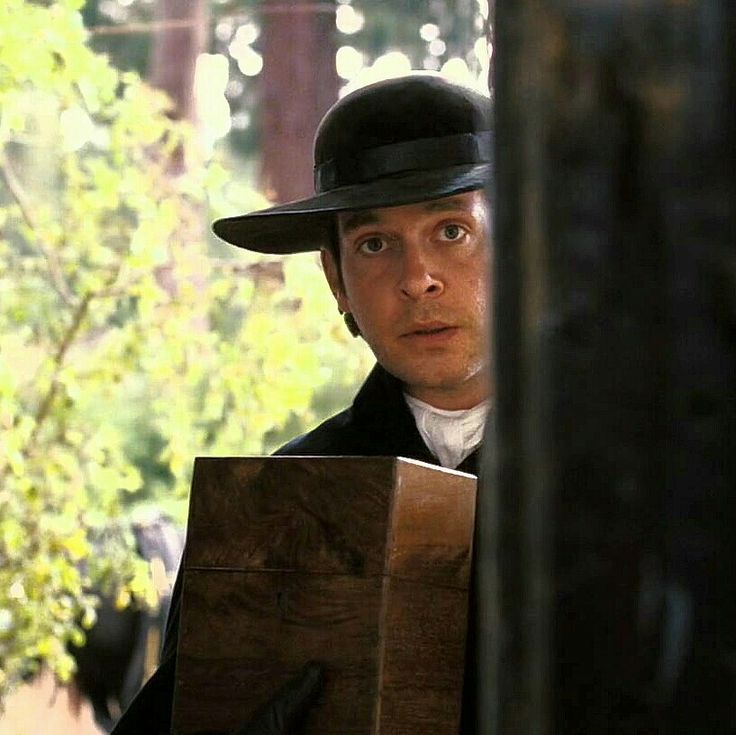
Of course, it’s not all sunshine for Mary, or for fans of Pride and Prejudice. Mrs. Bennet, who in many adaptations has had some forgiveness leant to her for the reality of having no heirs and little temptation for anyone who might wed any of her five daughters, does not come off well at all here. Nor does Mr. Bennet, and even Elizabeth is shown to be more thoughtless than most would like. Caroline Bingley is a villain that keeps on villain-ing, at times very conveniently for the plot. Lady Catherine de Burgh also returns, just as awful to Mary as she ever was to Elizabeth, and Hadlow gives the patroness an ironic little jab late in the book. Meanwhile, character development gets me to feel almost sympathetic toward Mr. Collins.
But the book’s main theme is asking who Mary is and what she wants. Everyone, it seems, has a strong opinion on the subject except for Mary. Truly, seeing her come into her own and discover the parts of herself she hasn’t been allowed to develop is a joy. More than once, I caught myself grinning at the story unfolding. And yes, there’s a romance, but, crucially, it comes as neither the product or instigator of her inner discovery and change. The emphasis is again and again on Mary as a person. Hadlow could have gone in any number of easier directions, but it did feel like the authorial intent was to let Mary develop herself on the page. The Other Bennet Sister is a chance for us to come on that discovery with her.
 Ring Reads
One thought on “An Overlooked Character Gets Life in ‘Other Bennet Sister’”