
There was a moment during the lockdown in the early days of the pandemic where, for most of us, life was split. Outside and in vague other places, people were getting sick and dying at terrifying rates. Inside, we were scared, but we were also bored, and found ways to pass the time. Some of us made sourdough. Babies were conceived and marriages ended. In those liminal months, fear and the basest creature comforts helped mark the mushy days. It’s that time of comfortable, middle-American life that Ann Pachett mines in her latest book, Tom Lake.
The pandemic might be a terrifying global event, but Lara is selfishly glad that her three adult daughters have all moved home to weather the storm. There’s the comfort of everyone being together again, but there’s also the practical side of having more hands to handle a cherry harvest that can’t happen with the usual crew of laborers this year. To pass the time, the girls ask Lara to tell her about the summer she dated a man, Peter Duke, who would go on to be a famous movie star. That summer, though, he was just another member of the cast in the summer play season at Tom Lake, a theater company in idyllic and semi-rural Michigan. Lara’s told part of this story before, but much of it is new to the girls, who are alternately delighted and baffled at the story she tells.
As Lara revisits events she hasn’t thought of holistically in decades, she now sees them in a different light. Back then, she was the age, or younger than, her daughters are now. Her youth takes on new meaning, as does her view of the milestones and decisions of her daughters in the present day. Meanwhile, her daughters cannot fathom why she would have given up a promising career in Hollywood, or how she could find life so perfect with their boring father on a cherry orchard when she might have stayed with one of the most famous celebrities. As mother and daughters draw closer and grow in understanding of each other, they all do so knowing the safety of the orchard is nestled in the eye of the storm of the pandemic.
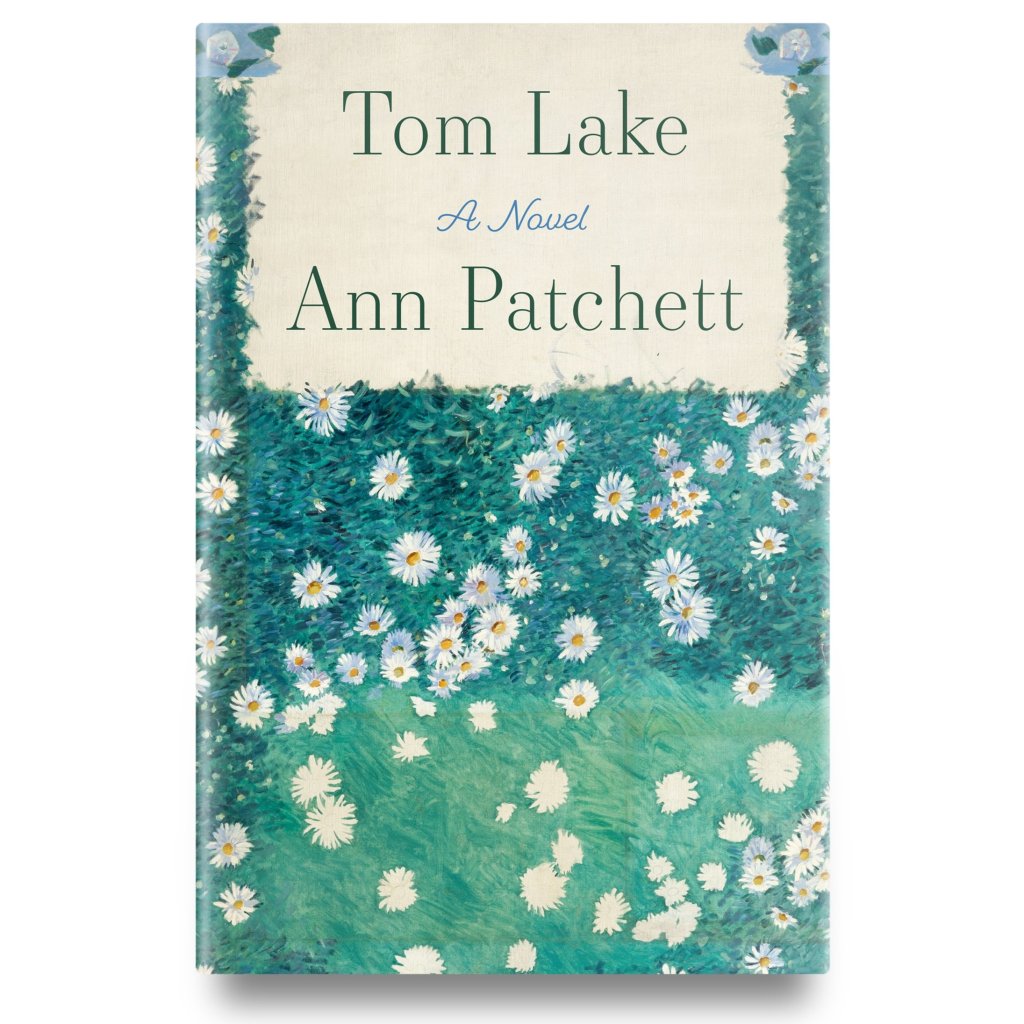
It’s a sweet story, and can also be funny and sad and a sprinkle of other emotions. Pachett draws out Lara’s pivotal summer in a haze of stretched-out days that really do feel like the kind of summer that lasts far longer than the calendar suggests. Those events etched themselves deep into Lara, allowing her to tell the story in crisp detail even thirty-plus years after they happened. While Lara’s summer of 1989 was stretched out long because of how eventful it was, the pandemic’s perpetual pause button stretches out her summer of 2020 in a different way.
Despite the sweetness of the novel, I found my interest in it a casual one until a minor twist about halfway through. It’s a clever one that doesn’t turn the story on its head, but rather gives it more complexity and had me searching for answers to a question that had nothing to do with Peter Duke. The movie star may be the draw for Lara’s daughters, but it’s clear Lara sees him as a memory far less interesting than what came after in her life, and Pachett builds that internal sense beautifully. As Lara’s telling progresses, so do the secrets she omits even now to her girls, and sometimes even to her husband. Lara is never hurting for realistic characterization, but it’s those moments when Lara gives herself private asides that give her more depth than the merry wife and mother that she is otherwise.
Both summers in Tom Lake are nearly endless, but the book about them doesn’t drag. Peeling away the years and making connections between then and now propel the pages, and the summers, forward.
 Ring Reads