
A lot of things are working in The Heavens, but it feels like those things sometimes have to work hard to compensate for other elements in the book.
Tag Archives: Lovely prose
‘Crane Husband’ a Critical Look at Love, Art
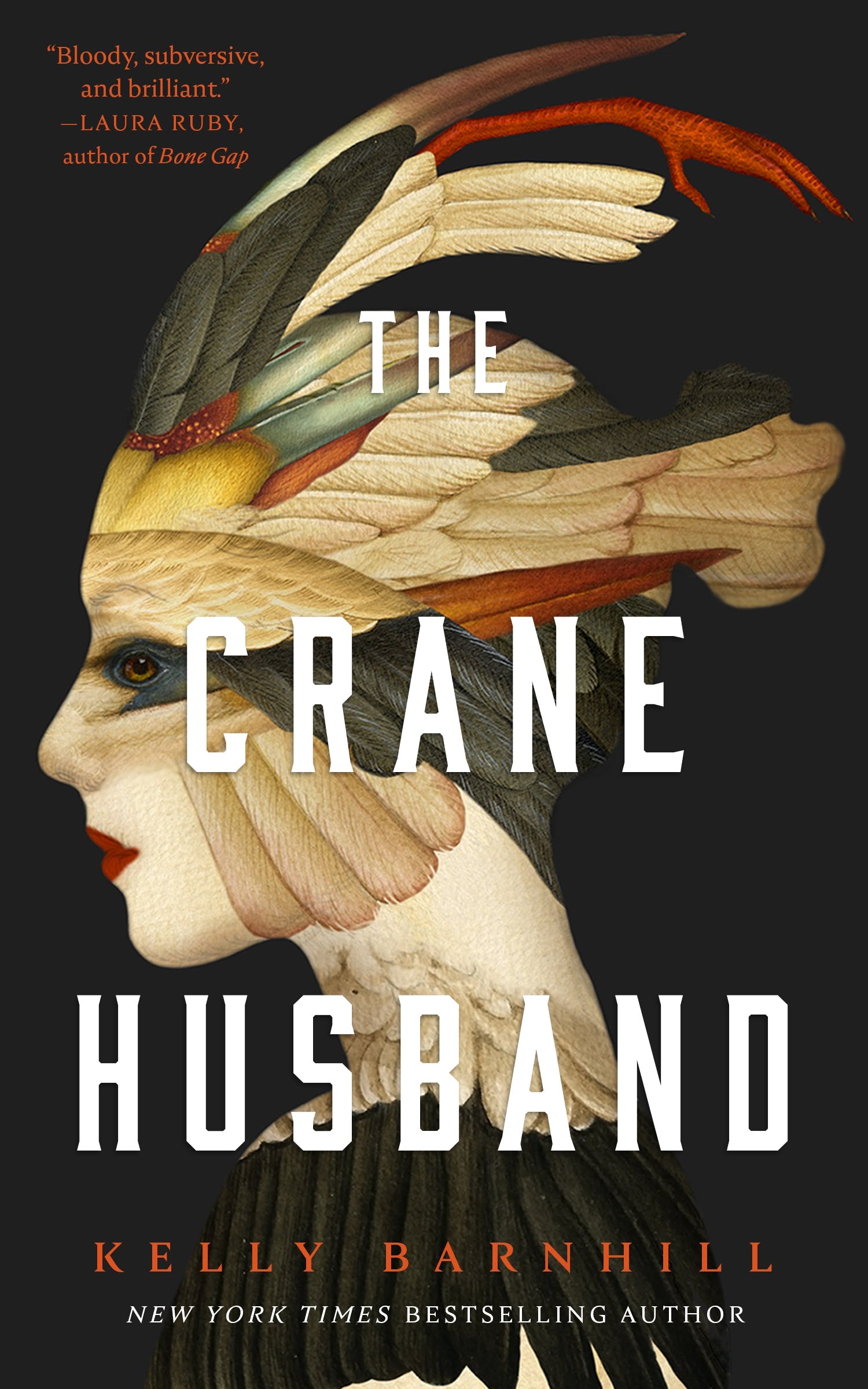
The Crane Husband is a meditation on responsibility and art and what love actually means, and so beautifully written that even with material like this you may still feel that you could fly away when you reach the end.
‘Shutter’ a Mystery Marred by Blur

Shutter has the makings of a fantastic story that takes its character far beyond the tropes of a typical murder mystery protagonist, but by the climax, I only felt exhausted.
‘Rose House’ Chilling in its Plausibility

This is not a horror novel, but its premise manages to be spine-tingling for the picture it paints—not bleak, exactly, but pragmatic to the point of irrationality, yet difficult to argue with.
In ‘Linghun,’ Ghosts Haunt More than Houses

In Linghun, the refusal to grow after tragedy is almost tangible, bringing with it cascading tragedies. There is no happy ending with a setup like that, but there is one that is as tender as it is tough to swallow.
‘Build Your House’ Rewards Patience

There are no twists of the traditional sort in Violet Kupersmith’s debut novel, Build Your House Around My Body, but there are a stack of stories that weave themselves around each other before ultimately tying a knot that can only truly be appreciated on the reread.
‘Spear’ Hits Its Mark

If you have the least bit of interest in swords or knights or daring deeds, you can’t miss with Spear.
‘Gentrifier’ Asks Tough Questions Wrapped in Cozy Experiences
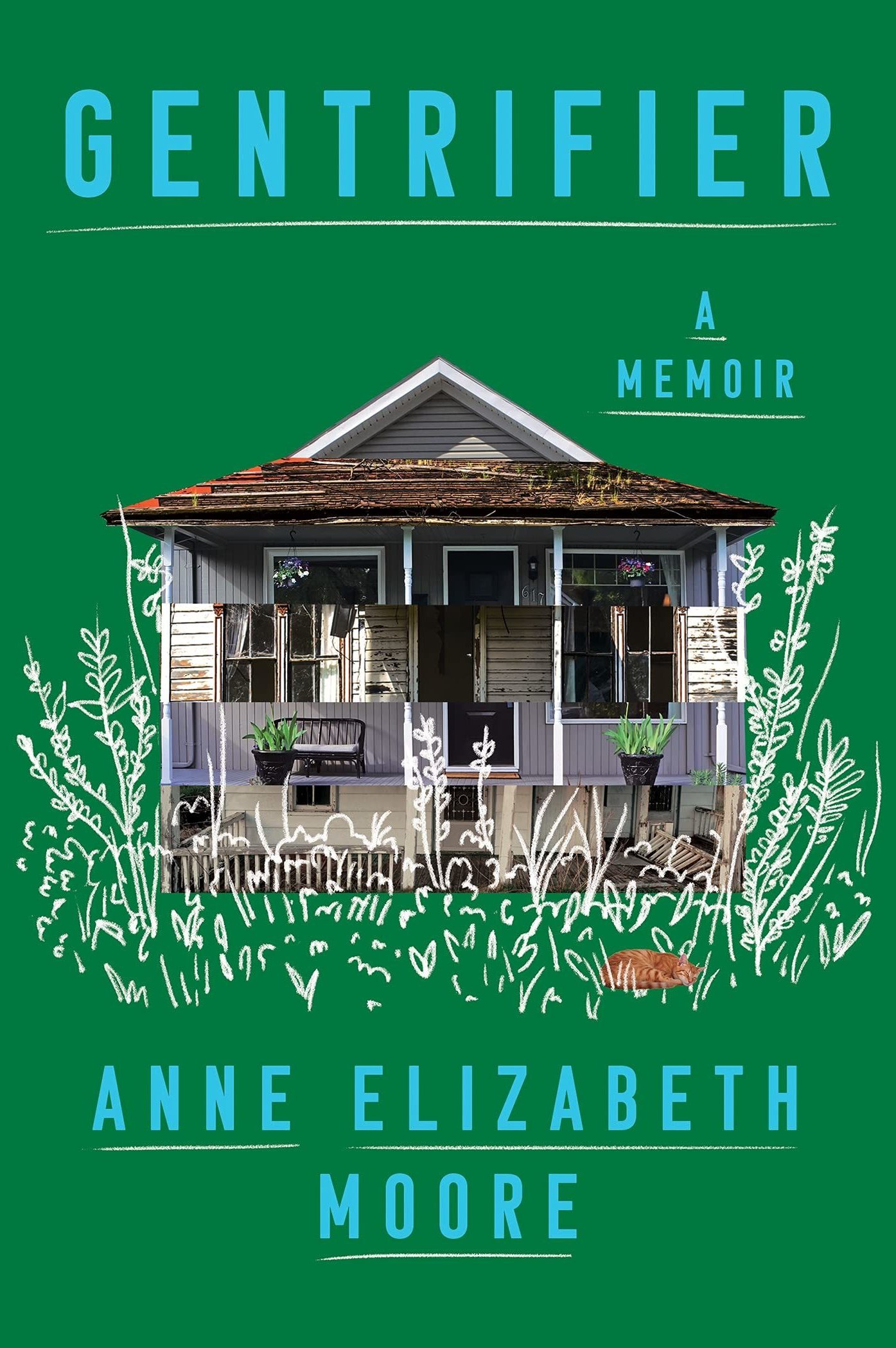
Whether she is the gentrifier or isn’t, the perception stubbornly remains that the presence of “[her] whiteness” is linked to upward mobility for the neighborhood by many.
‘Bones’ a Disturbing, Enlightening Account of Violence and Injustice

Kimmerle doesn’t dwell on the violence; her focus is on telling the story without elaboration or obfuscation to best communicate her belief that every scoop of dirt contributes to long-overdue restorative justice for the dead, the broken, and their families.
‘Archive’ Alternates Between Magical and Heartbreaking
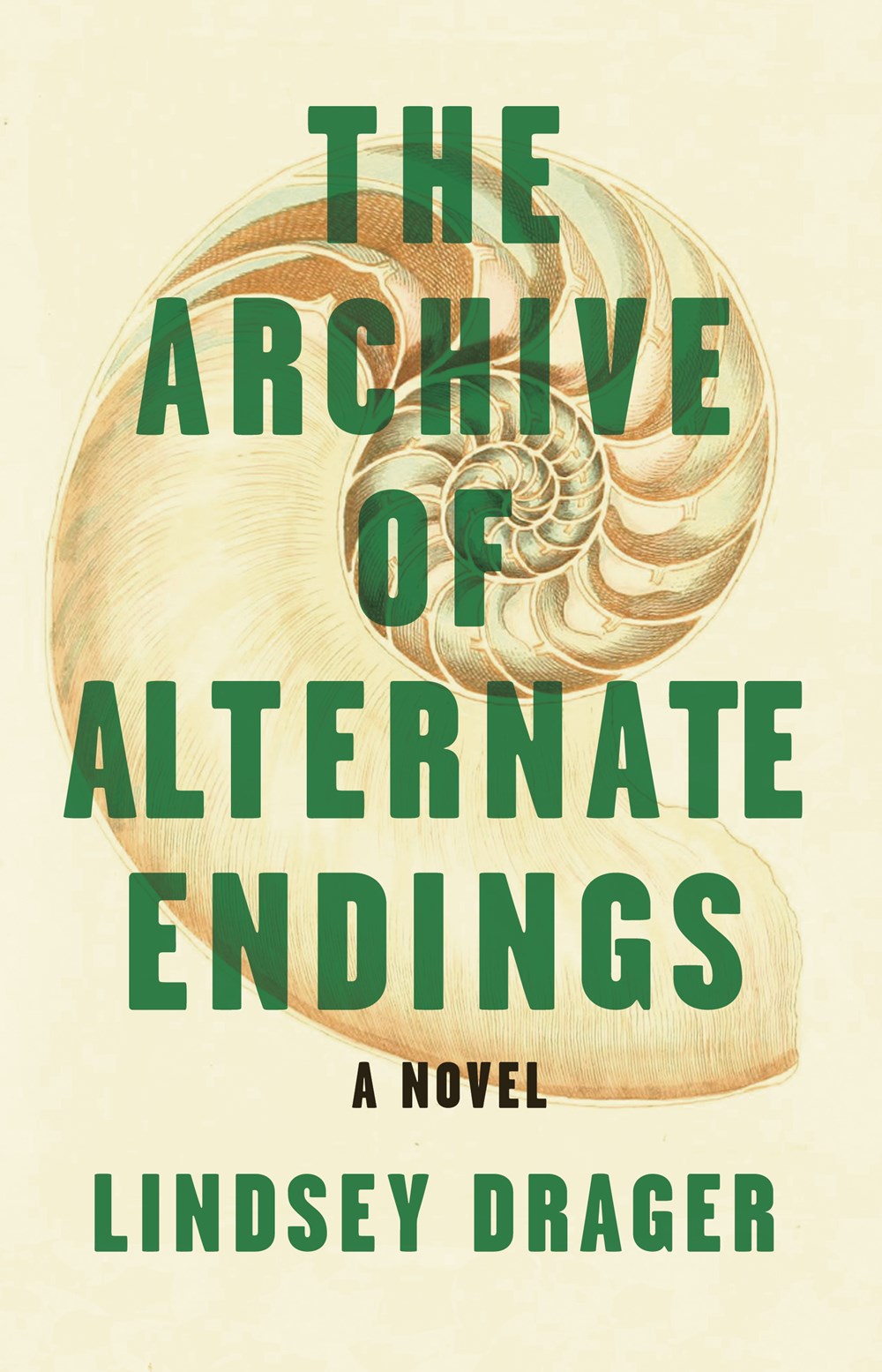
The Archive is a novel, but its parts, while interconnected, are fit together in such a way that they can be separated from each other. But all of these parts, though excellent on their own, come together to make a whole far grander than their sum.
 Ring Reads