
Though the universes are a little uneven in their execution, the book’s greatest weakness is giving us ten versions of Raffi’s life and finding our main character happy in none of them. Perhaps this is intentional commentary from North on how no singular choice in our lives can take us from sad to happy, or that our essence doesn’t change whether we live in a post-apocalyptic world or one in which our partner is pregnant with an octopus.
Tag Archives: Science-Fiction
‘Ghost Station’ Full of Space-Age Scares
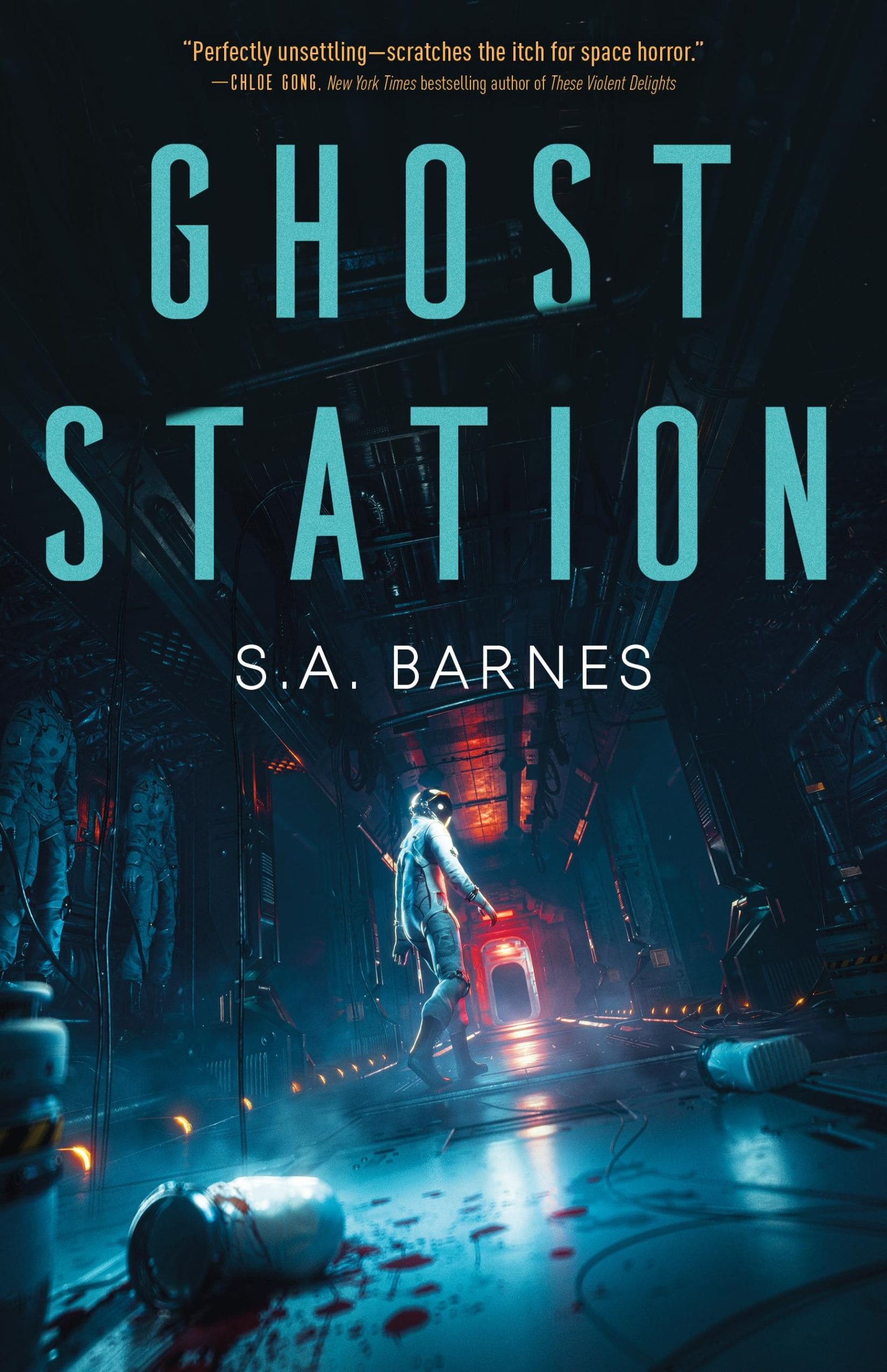
Despite minor missteps, Barnes crafts a taut horror with radically flawed characters that combine to make a satisfying horror of both the past and the unknown.
‘Hum’ a Grim Take on Tomorrow
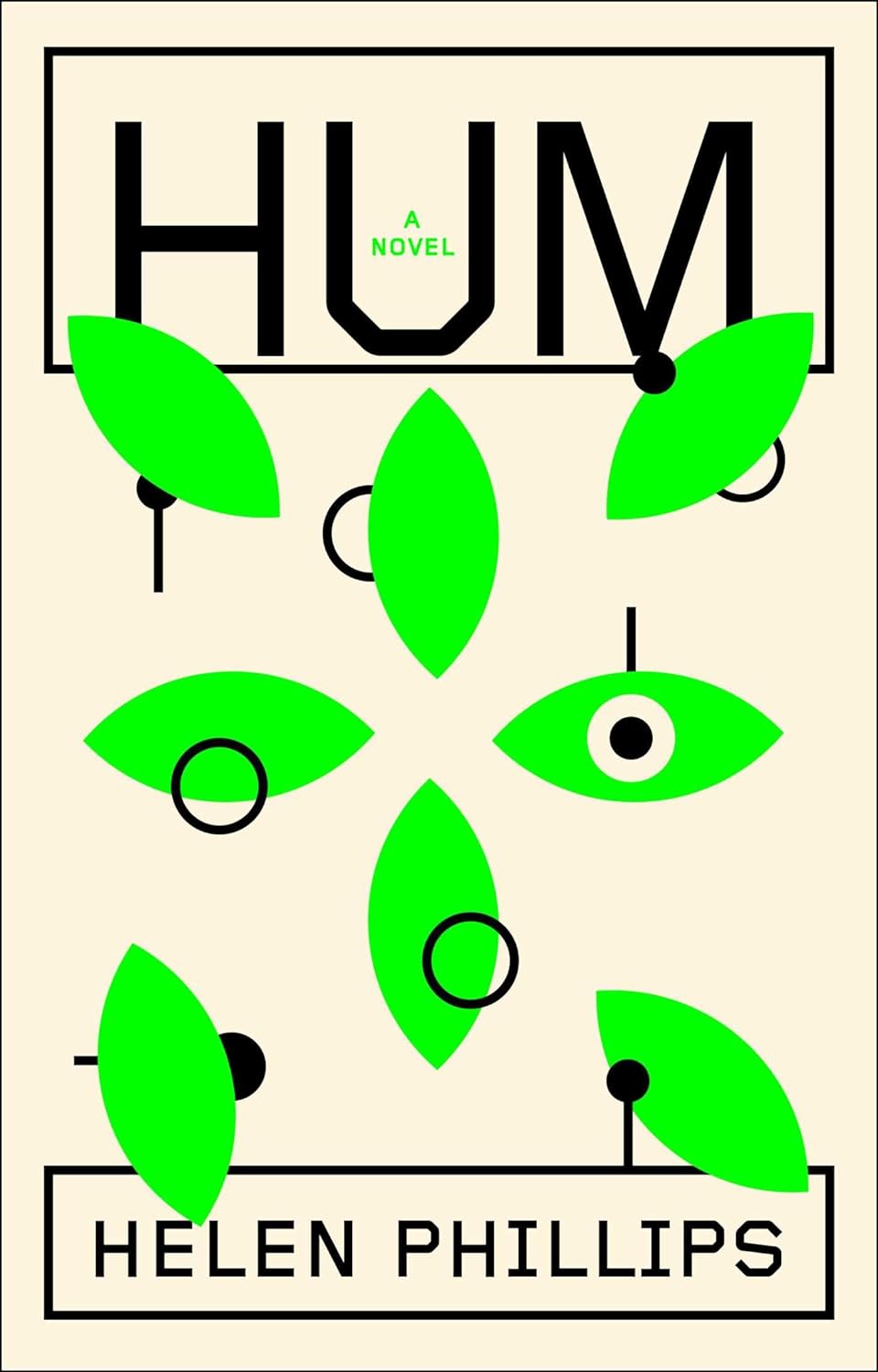
There’s a lot that’s familiar with the world May inhabits. It’s debatable whether that imagined future is realistic or dystopic, but either way it’s a depressing and claustrophobic place.
‘Glory’ Asks Good Questions of Young Readers
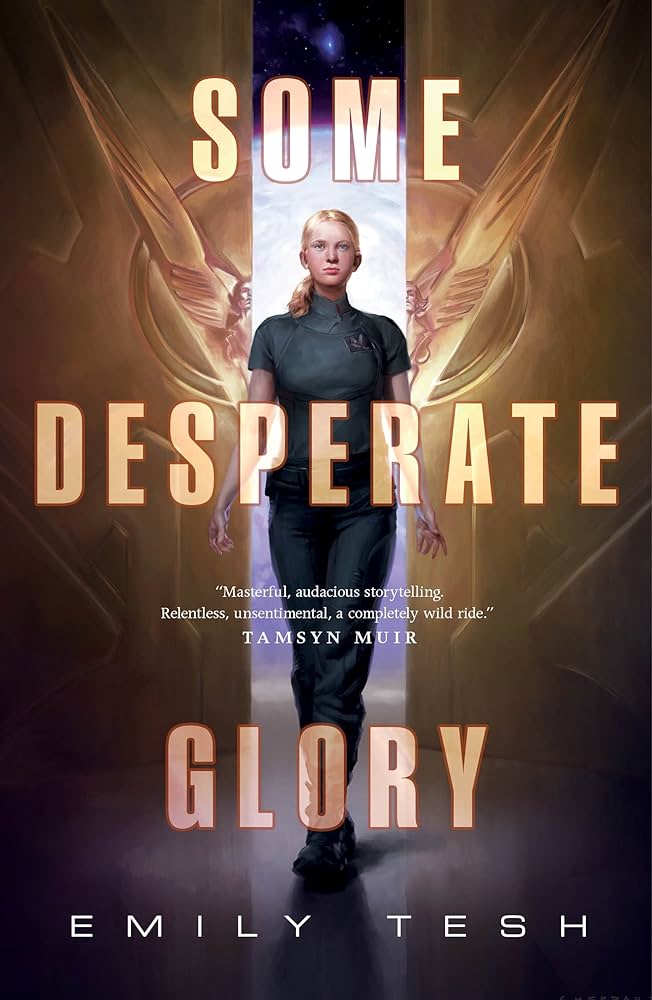
Some Desperate Glory is an ambitious story in a lot of ways, and doesn’t have time to explore each issue fully. For the most part, Tesh knows this, and shows that her characters are only just starting to grapple with the long process of un- and re-learning.
‘Liberty’s Daughter’ Balances Play with a Dark Underbelly
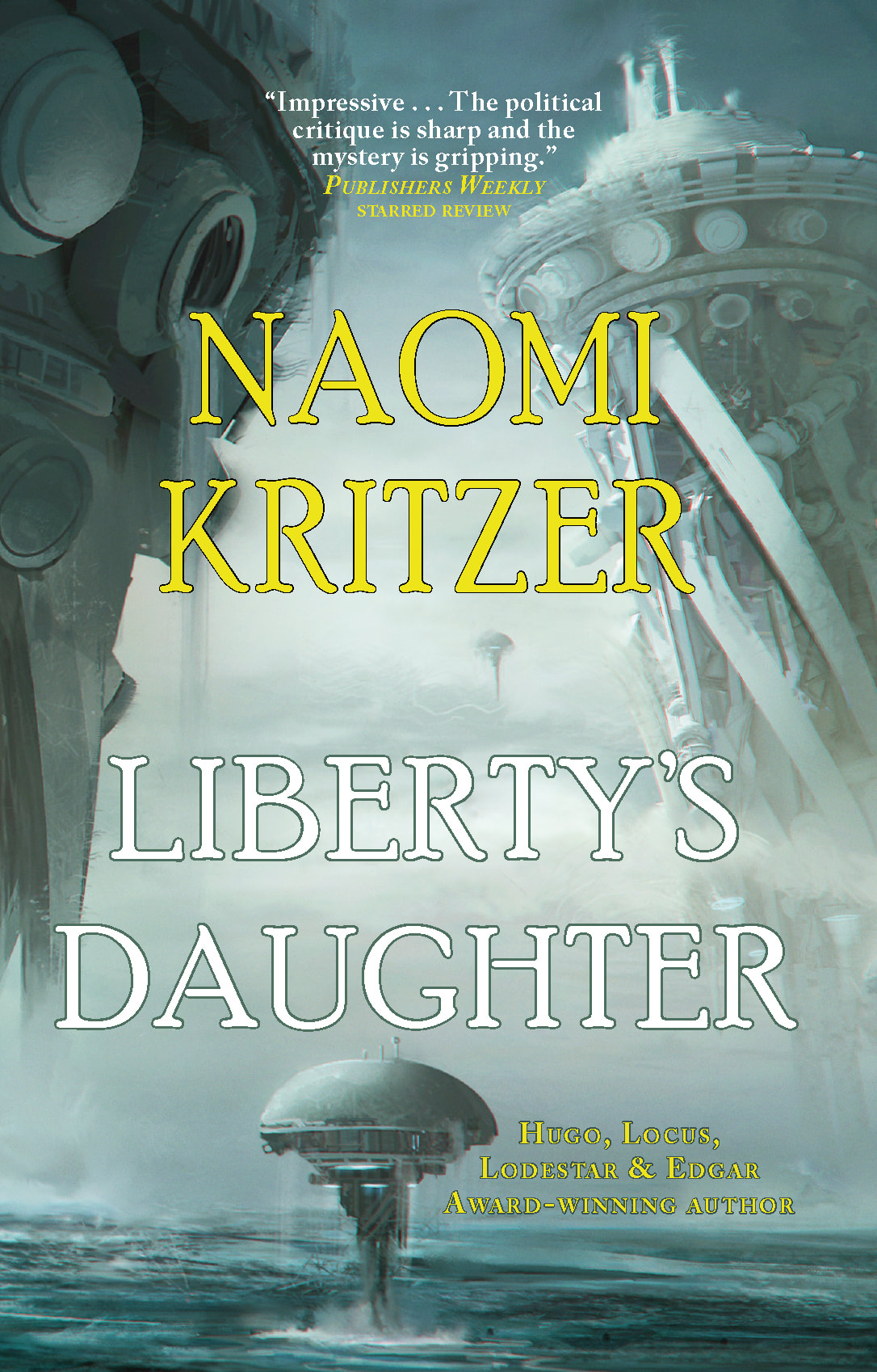
Liberty’s Daughter is a story about finding your way in the world—an easy message to relate to, even for those of us living on dry land.
‘Ocean’ a Sea of Possibilities in Space Opera

Ocean’s Godori is pitched as Becky Chambers meets Firefly. I suppose the description fits—a strong found family, political intrigue in space, a scrappy crew upon a scrappy vessel. But Cho has crafted something far more special than a simple mashup.
‘Milk and Honey’ a Chilling, and Luscious, View of the Near Future

While there is a clear moral to the story in the book’s final chapter, Zhang writes deftly to keep any of her characters from being clear cut. The messiness in turn reveals truth: that when the chips are down, human instinct and that of crabs in a bucket are largely the same.
‘My Murder’ A Critique of Lurid Interest

True crime may be alluring, but Williams doesn’t mince words when it comes to who makes the most alluring victim, even in the future. The victims are all fair, fairly young, and fairly attractive, and everyone is fully aware of how narrow a demographic the victims here represent.
‘Rose House’ Chilling in its Plausibility

This is not a horror novel, but its premise manages to be spine-tingling for the picture it paints—not bleak, exactly, but pragmatic to the point of irrationality, yet difficult to argue with.
‘Puppets’ a Refreshingly Light Read
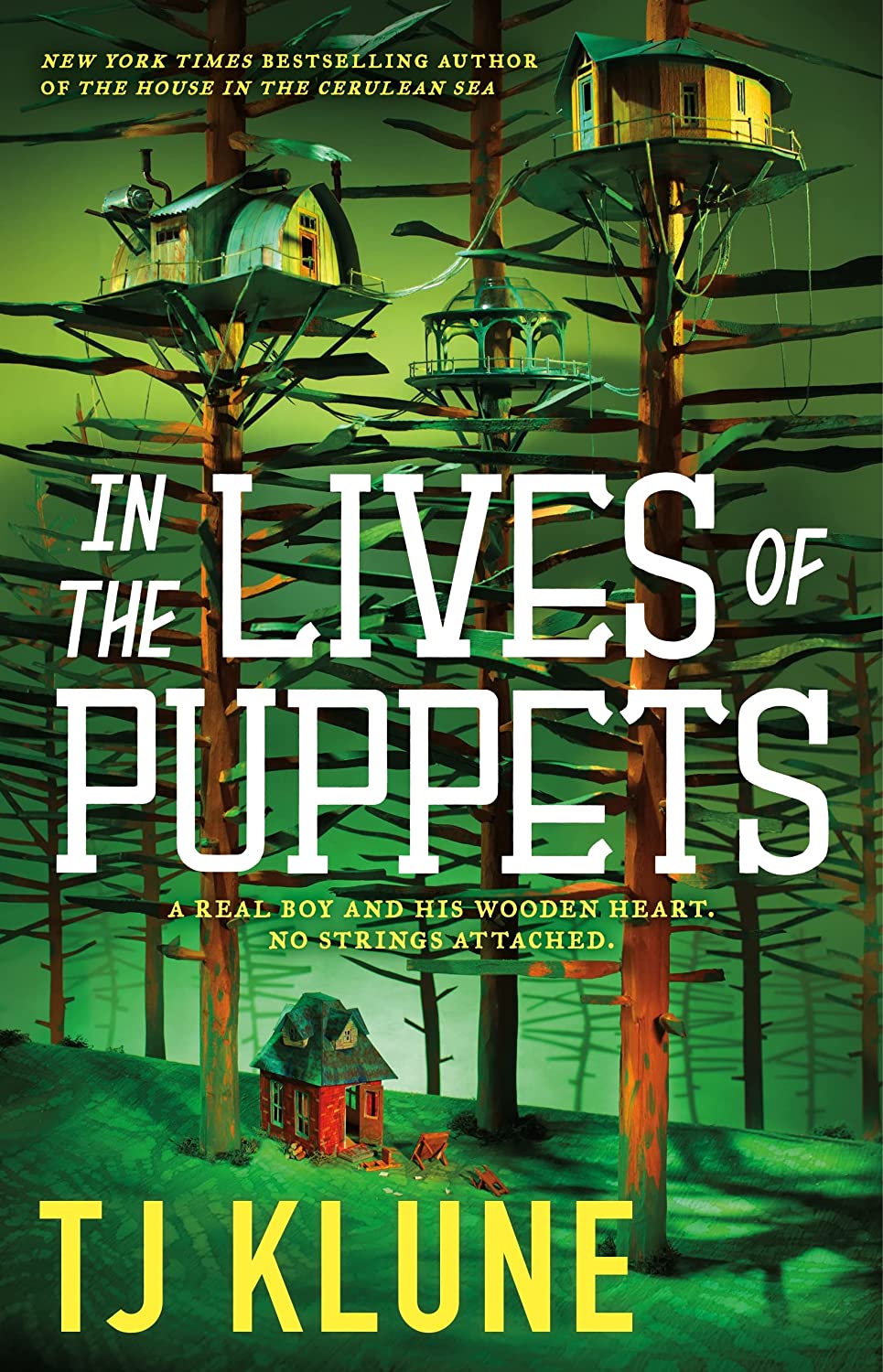
Part reverse-Pinocchio, part science-fiction Stardust, Puppets is another entry into the growing cozy SFF genre that is a welcome change from the usual fare.
 Ring Reads