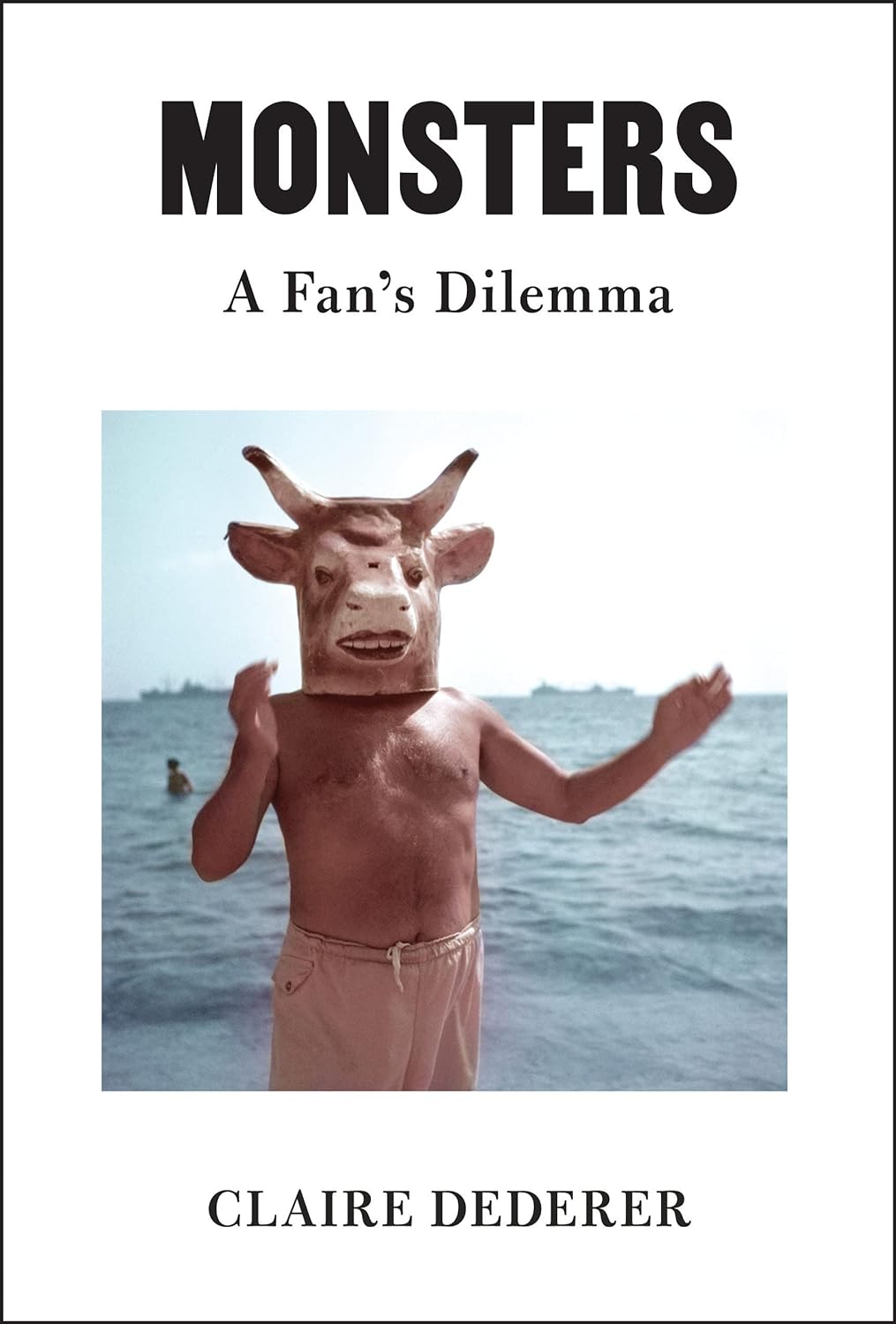
Much could and is said about the nature of “cancel culture,” but Claire Dederer’s Monsters: A Fan’s Dilemma is more concerned with how we look at the art these accused, and sometimes convicted, have made.
Tag Archives: Food for thought
‘Beauty’ a Balance Between Ordinary and Sublime
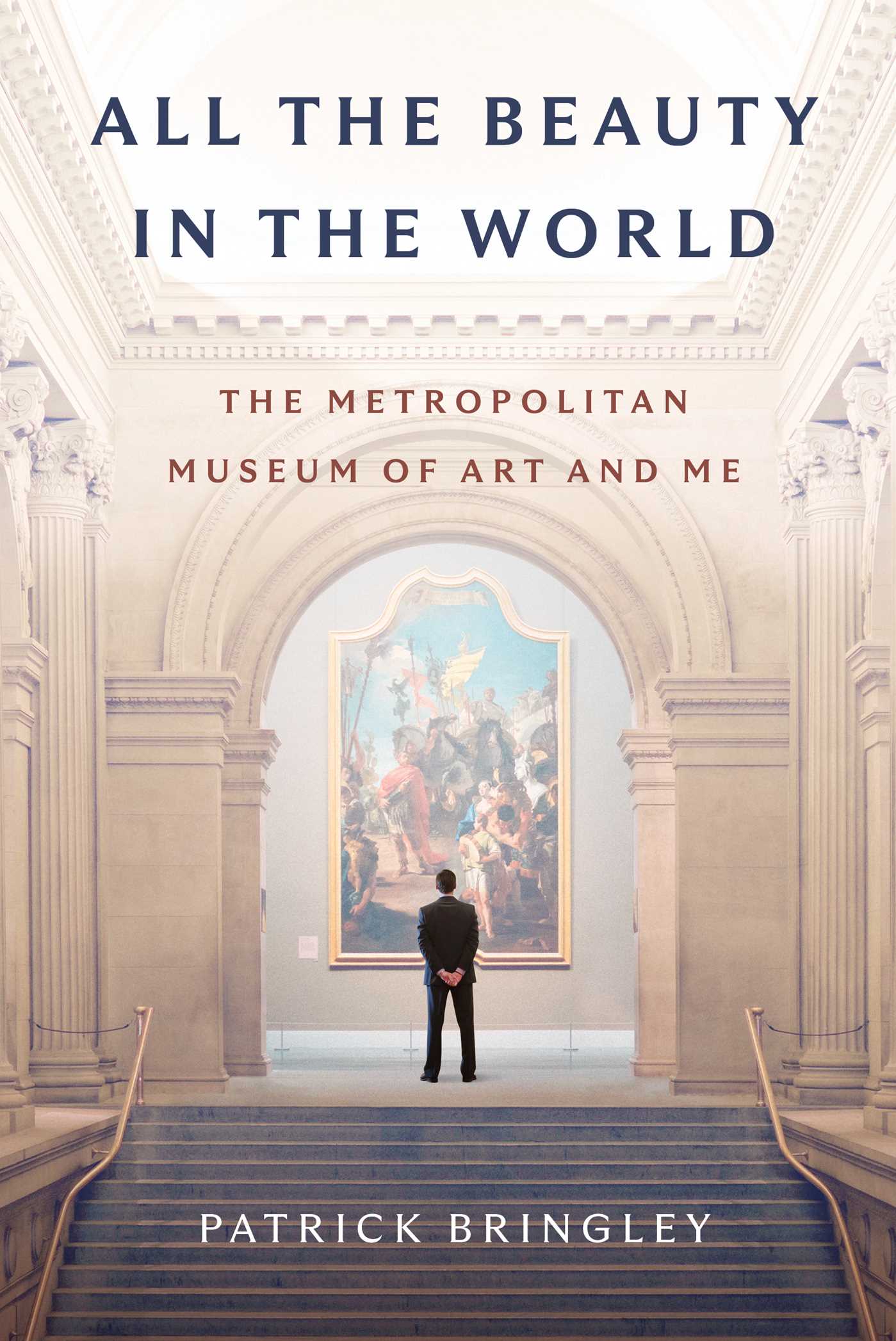
This is a book of stillness, and a book of contemplation. It’s a book about appreciation, and of change. Life, broadly, is all of those things, and All the Beauty in the World shows the value in recognizing that a little more.
‘Scorpionfish’ a Hazy, Pensive Read

Languid and pensive, Scorpionfish is a story as melancholy as it is dreamy.
‘Lone Women’ a Parable of Secrets and Prejudice in the Wild West

Although the town at the heart of Lone Women is made up of misfits, it quickly becomes clear that some fit in better than others. Secrets don’t stay secret forever, even if they’re locked up tight. The literal escape of Adelaide’s secret exacerbates tensions that were already fraying beneath the surface.
‘Milk and Honey’ a Chilling, and Luscious, View of the Near Future

While there is a clear moral to the story in the book’s final chapter, Zhang writes deftly to keep any of her characters from being clear cut. The messiness in turn reveals truth: that when the chips are down, human instinct and that of crabs in a bucket are largely the same.
‘What the Dead Know’ a Pensive Look Back at Life and Death
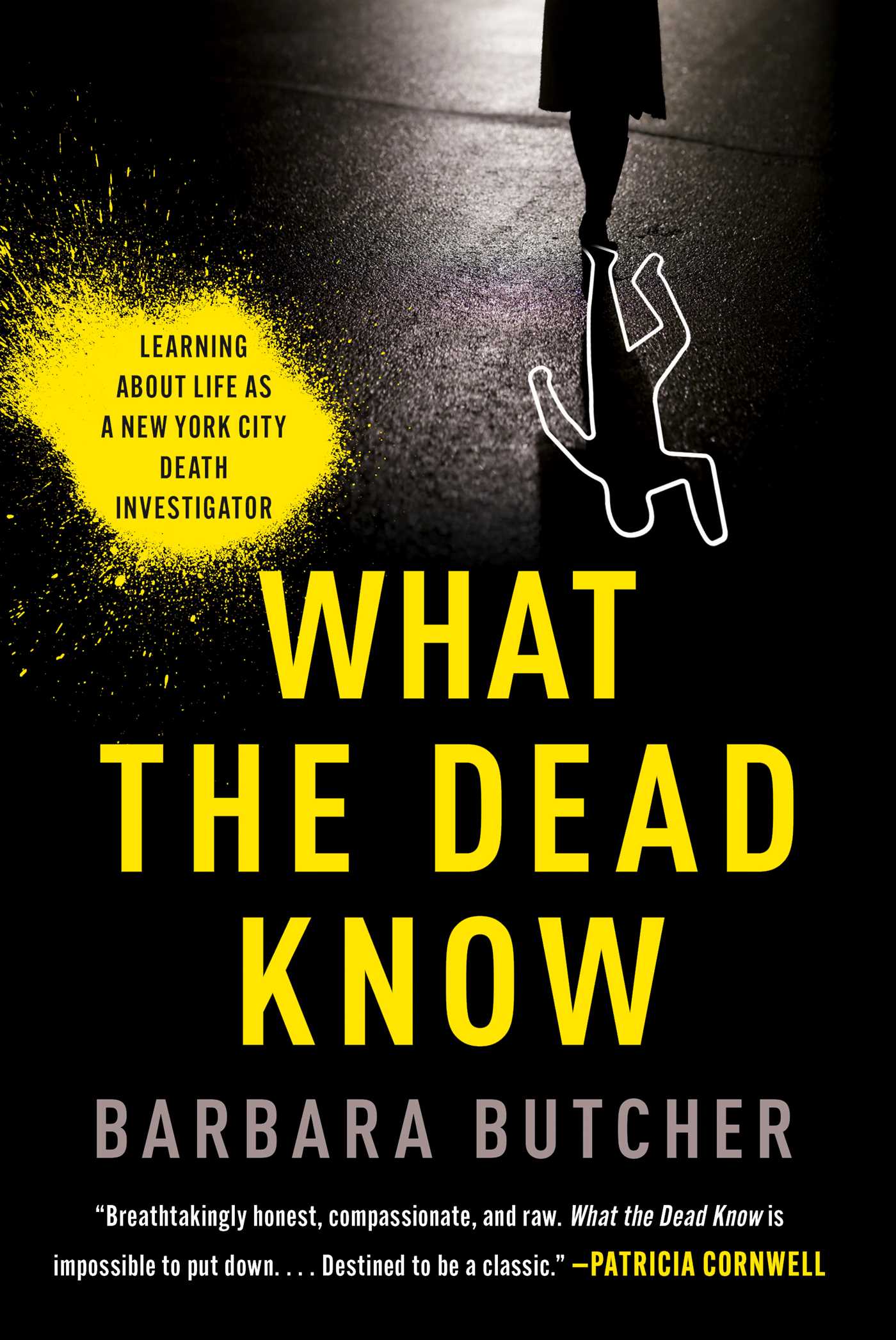
What the Dead Know is about a lot of difficult stuff, and Butcher doesn’t shield us from the gore. But she does wisely keep it tastefully select in its details, delivering realness without exploitation.
Wishes get Colonized and Corporatized in Shubeik Lubeik

The repercussions from wishes are negligible for the haves and devastating for the have-nots. Following the rules is detrimental for some, and far outside the sphere of concern for others. As with many things designed to “make life better”—technology, say, or medicine—the artificial scaffolding around wishes exacerbate, rather than reduce, inequality in the society they occupy.
‘Cassandra’ a Journey in Time Travel and Self Acceptance

Cassandra’s is captivating story about the benefits and costs of being able to do-over the rougher parts of your day, and about accepting yourself for yourself, no matter who you happen to be.
‘Fire’ a Rich Historical Tragedy with a Glimmer of Hope

The four point-of-view characters do all give us a different view of the disaster. It’s a testament to Beanland’s writing and research that the characters all feel so human, and the world around them so real.
‘Butcher’ a Fairy Tale of Trauma
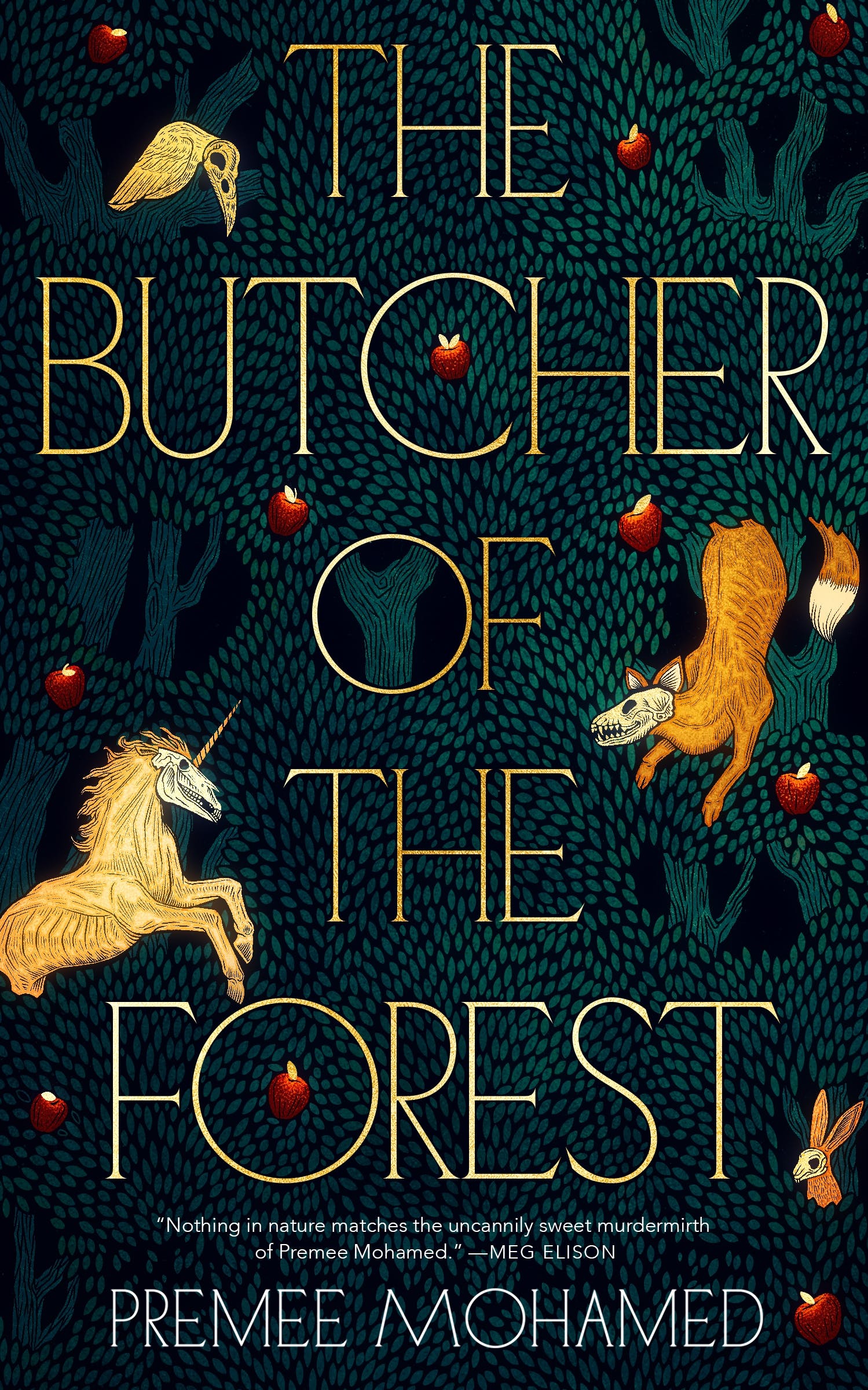
The trauma at the heart of The Butcher is something wound as tightly around every detail as tightly as ivy on a tree. There’s a difference between surviving something and coming back whole, Veris notes early in the book, and it becomes increasingly clear that she’s the one who hasn’t been the same since.
 Ring Reads