Placing a book within a genre, even a broad or ill-fitting one like “dark academia” or “romantasy,” is typically considered a necessary evil within the publishing world. After all, it does help to set reader expectations and help people find reads similar to ones they’ve already enjoyed. And if a book doesn’t fit neatly in any genre? Well, close enough.
In the case of Fair Play, the debut novel from Irish author Louise Hegarty, the genre and back-cover matter set me up for a very different reading experience than I had by the time I hit “The End.”
On New Year’s Eve, Abigail is putting the finishing touches on an elaborate murder-mystery game that will be the centerpiece of her friend group’s combination New Year’s celebration and party for her brother, Benjamin. The group has had its ups and downs through the years, but these birthday bashes are a highlight of their collective friendship. This year, Abigail’s game has reached new elaborate heights, including renting an old English manor-turned-AirBNB. A good time was had by all!…until they wake the next morning and find Benjamin dead.
From here, the story splits in two. There is a full inquisition in an alternate reality that sets this baffling death as the center of a 1930s closed-door murder mystery to be unraveled by a keen foreign detective and his semi-bumbling Watson. The other continues in the present day, where Abigail attempts to resume normal life and understand why Benjamin took his own life, and quickly finds she is equally unsuccessful at both things. But like the great detectives in all those old whodunnits, she feels the clues she so clearly missed must lie with the siblings’ friends. After all, this couldn’t have come out of nowhere, could it?
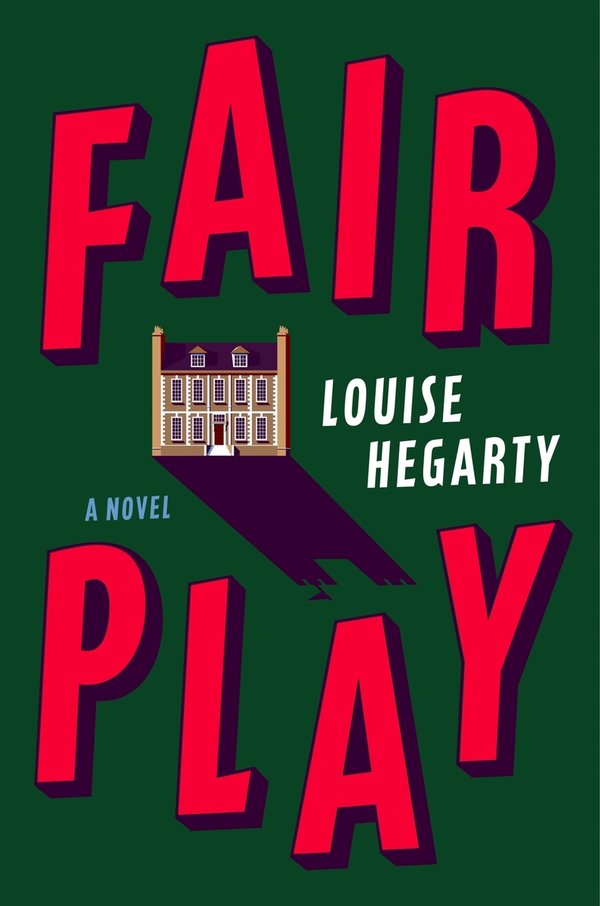
The tonal contrast between the murder mystery (a twee detective in the twee manor surrounded by the twee-est of characters) and the modern timeline is dizzying, especially at first. The back-cover copy and the cover design emphasize the twee murder mystery, but in reality those elements are a support, and arguably a fantastical set of armor, for the contemporary story of Abigail’s grief and bewilderment.
There’s a reason murder fits so cozily inside some of these stories. It’s like how many find a strange comfort in true crime stories. We know there’s hurt and wickedness and crime around us. We know bad things happen, whether or not we’ve done anything to deserve them. We know we’ll lose people, and we know to be alive is to be surrounded by danger, and we even know that that danger won’t always come from where we expect. But in these stories, there’s a reason behind everything; the hurt isn’t arbitrary and it isn’t senseless. We are hurt because someone was angry. We are in pain because someone was jealous or greedy. Our lives are irrevocably fractured because, because, because—and the fact that there is always an ending to that sentence is what makes it feel more grounded than the ellipses or question marks of real life. Here, we are still hurt and our lives are still cracked wide open, and more often than not it is for no reason at all. It is just a thing that happens. It is just a part of life. And it sucks.
I don’t think knowing the role these two threads play in the book would have largely affected my reading of it, and although knowing it does take some of the fun away from the ye olde murder mystery, it always felt curiously false, like the black-and-white world of Wandavision. Seeing Abigail struggle to carry on without Benjamin and feeling the tangle of grief constrict around her is the real power of Fair Play. I’m not sure if the thought behind not telegraphing that more clearly in the marketing materials was a consequence of a tight word count or distrusting the audience, but I think there’s a wide audience that would appreciate the illusion Hegarty’s Abigail attempts to spin, and why. I hope Fair Play finds it.

